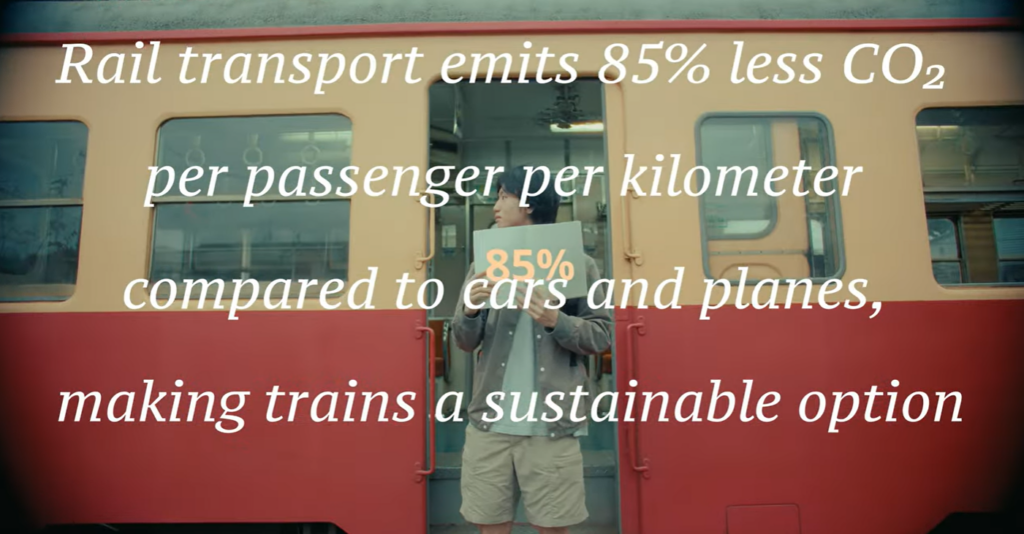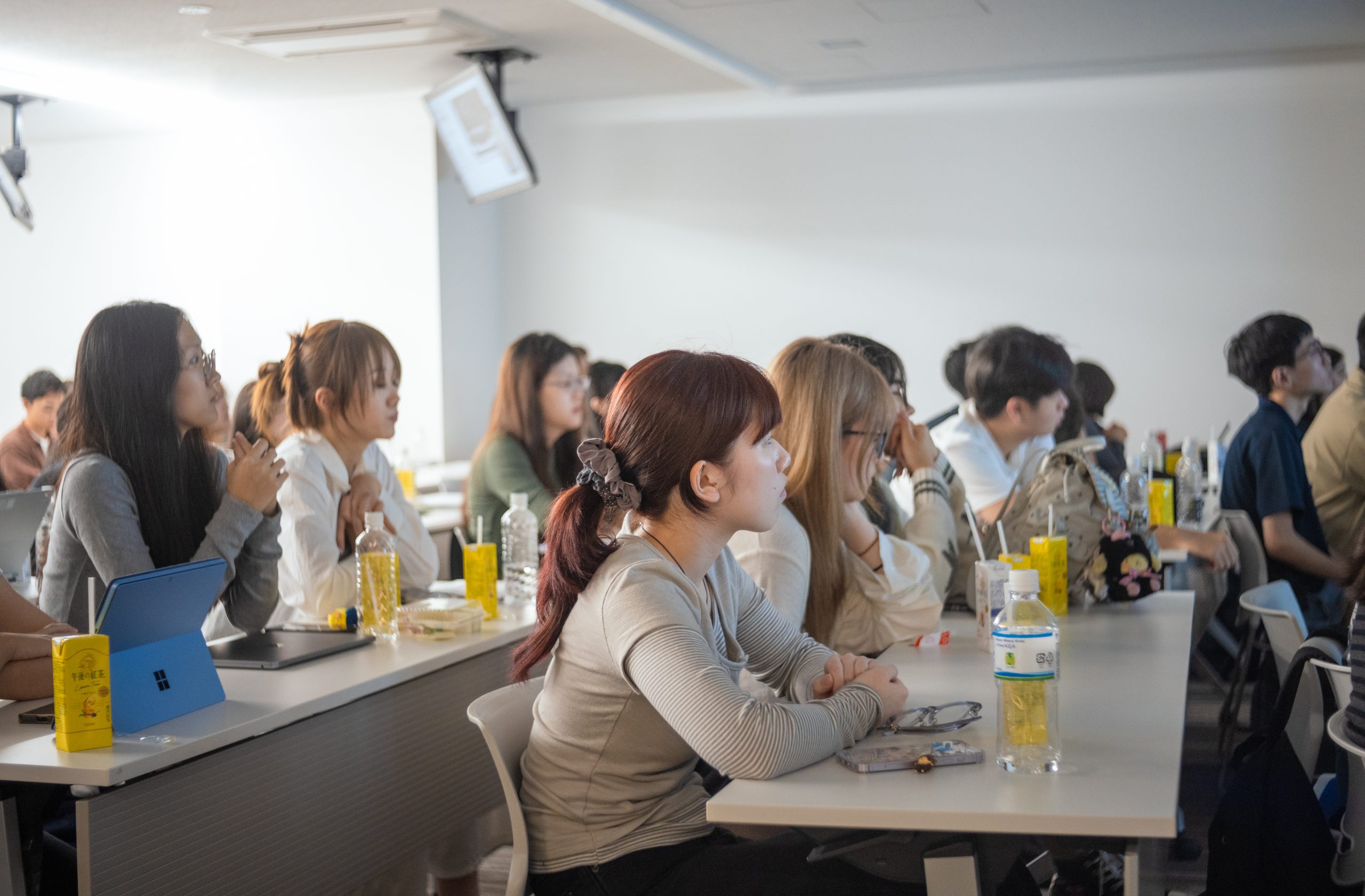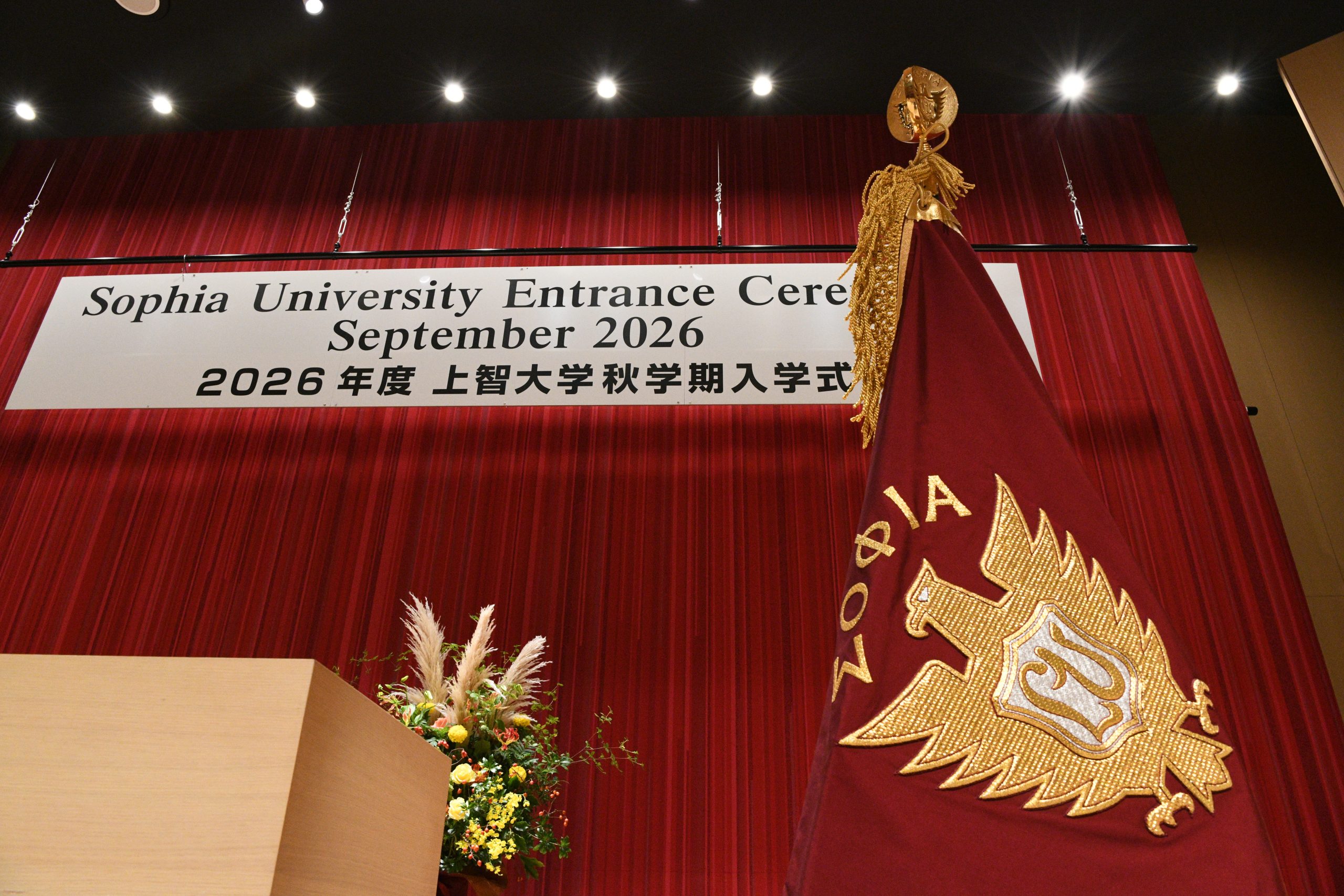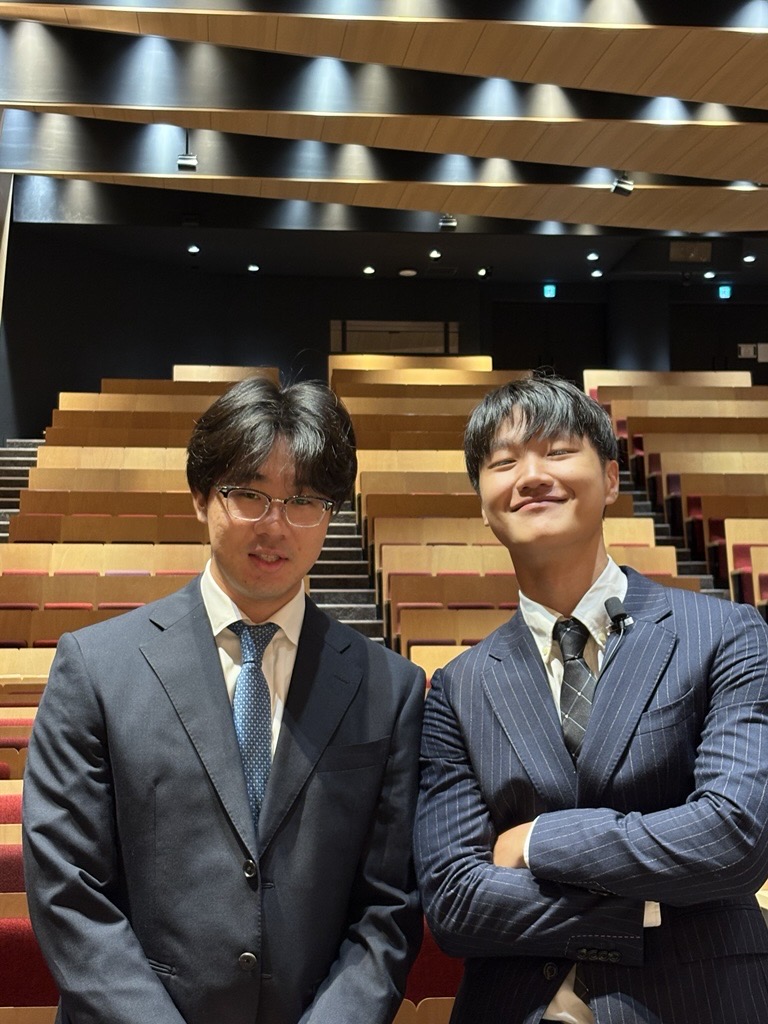

We interviewed Liu Ruoshi, a second-year student in the Department of Economics, who contributed to the SPSF Prospectus 2027 by photographing and editing its images, as well as producing the video “Inside SPSF,” released in October 2025.
We look forward to his continued growth and future achievements. Join us in supporting him and his journey!
-What sparked your interest in photography and video production?
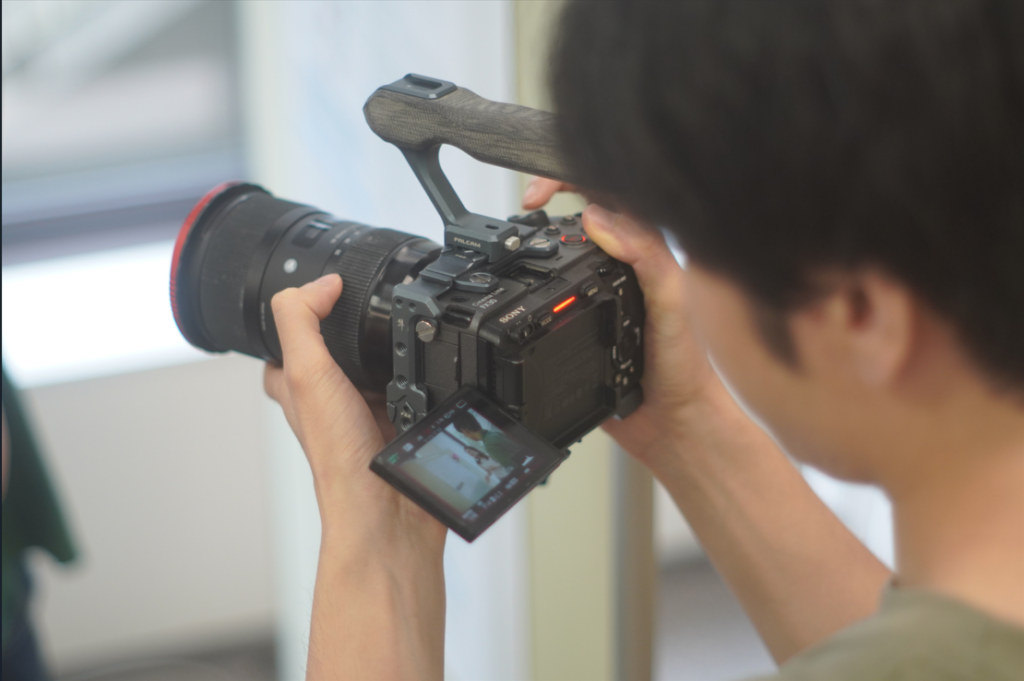
Liu: My interest in filming began years ago when I bought a camera just to take videos of my favorite keyboards. From there, I started creating short vlogs and review videos, such as instant noodle reviews. After joining Sophia University, I joined the Sophia Broadcasting Circle, where I began producing various types of video projects.
-What motivated you to participate in the SPSF project?
Liu: I participated in this SPSF project for two simple reasons: I thought it would be a lot of fun, and I saw it as a great opportunity to build closer relationships with the SPSF Office and other students. Before university, I had never been involved in school-related work, so upon entering college, I made a decision to do something meaningful here. Shooting interviews and promotional videos was a first time for me. Even though I felt I had a lot of prior filming experience, I still realized I lacked the specific expertise needed to effectively present this particular style of video.
- Which part of last year’s video project stood out to you the most? Did you try anything new or take on any challenges in filming or editing?
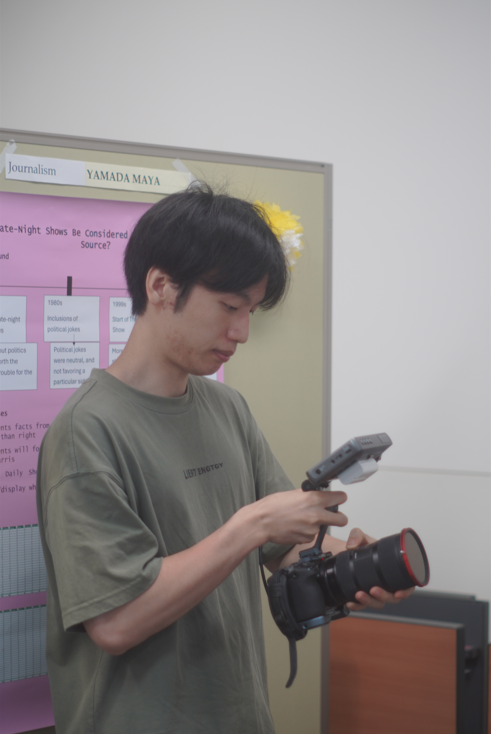
Liu: Looking back at last year’s video project, one aspect I am satisfied with is that, despite how busy the other students were, I still managed to find opportunities to film them engaging in their activities. During the SPSF graduation poster presentations, I also feel I captured some beautiful moments. When it came to shooting the campus scenery, the weather wasn’t very nice for a few days. So, I carried my camera to school every day until the sun finally came out, and I was able to capture some timelapse of the students heading to class. Actually, over half of the footage I shot went unused. I felt like I mishandled those takes, and the resulting visuals just turned out looking strange.
- Did you gain any new technical skills or insights through the project?
Liu: This video project made me realize a lot of my own shortcomings. When it came to equipment selection, I was too caught up in using my favorite gear and pushing for a heavily stylized look, which ended up making the overall visual style and pacing feel a bit disjointed. After that, I have realized the importance of pre-production planning, appropriate gear selection, and pacing during post-production.
Additionally, while I didn’t directly conduct the interviews myself, being on set with the other three interviewers allowed me to observe and learn from their different communication techniques and interviewing styles.
- What do you consider your strengths in filming or editing?
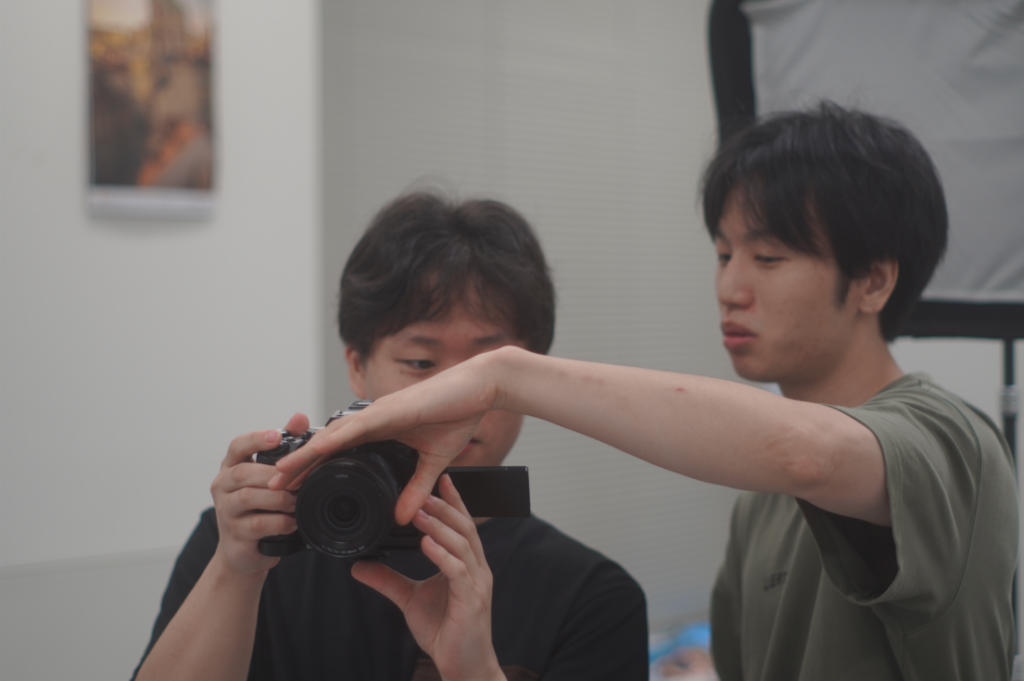
Liu: I believe my strength in making videos is my knowledge of equipment. Because one of my main interests is exploring various cameras and color-grading techniques, I feel quite confident in visual presentation. Going forward, whether it is for club activities or school-related video projects, I want to experiment with creating a wider range of videos, from light to more serious projects.
- How did the SPSF project contribute to your personal growth?
Liu: For me, the most meaningful takeaway from this experience is simply the fact that I “participated in the SPSF project.” Whether I’m introducing myself to fellow students or to people outside of the university, it serves as a great experience and talking point.
- Are there any projects or themes you would like to explore?
Liu: To be specific, this year, I plan to enter the video category of the NHK University Broadcasting Contest, so I am currently in the process of producing four videos. I will definitely be applying the experience I gained from the SPSF project to these new projects. While I enjoy exploring a variety of themes in my work, I believe I will continue to produce more interview and documentary-style content like this in the future.